The Evolution of South Asian Streetwear: Then & Now
South Asian streetwear is more than fashion—it’s a cultural pulse, a rebellion, and a canvas for identity. From the vibrant bazaars of Karachi to the neon-lit streets of Mumbai, it’s a movement that’s grown from grassroots to global. Over decades, it’s been shaped by cultural heritage, social shifts, and music—think Bollywood beats, gully rap, and Punjabi pop. Brands like Oddfunk are at the forefront, fusing Pakistan’s artisanal traditions with bold, contemporary designs that resonate with urban youth. This 3,000-word journey traces the evolution of South Asian streetwear, diving into its roots, transformation, and future, with vivid visual storytelling to amplify its heritage narrative. Let’s dive in.
The Roots of South Asian Streetwear: The 1980s and 1990s
Tradition Meets Rebellion
In the ‘80s and ‘90s, South Asian streetwear wasn’t a defined scene but a raw, organic vibe. Young people across India, Pakistan, Bangladesh, and Sri Lanka mixed traditional attire like kurtas, lungis, and shalwar kameez with Western influences trickling in via MTV and Hollywood. The saree, kurta, and dhoti weren’t just clothes—they carried centuries of history, woven with intricate patterns reflecting local craftsmanship. Yet, urban youth began pairing these with knockoff Adidas track pants or Converse dupes, creating a rebellious fusion.
The cultural backdrop was pivotal. Post-colonial identities, economic liberalization, and a growing diaspora shaped the scene. In India, the 1991 economic reforms opened doors to Western brands like Levi’s and Nike, but their high costs led to local tailors and bazaar vendors crafting affordable dupes. These became street staples, blending heritage with hustle.
Music as a Spark
Music was a catalyst. Bollywood’s influence was massive, with stars like Shah Rukh Khan rocking oversized shirts and baggy jeans in films like Dilwale Dulhania Le Jayenge. The South Asian diaspora in the UK and US vibed to bhangra and hip-hop, with artists like Apache Indian fusing Punjabi beats with rap. This inspired kids back home to adopt bomber jackets, gold chains, and bucket hats, laying the foundation for a distinct desi street aesthetic.
Visual Storytelling: The Bazaar Canvas
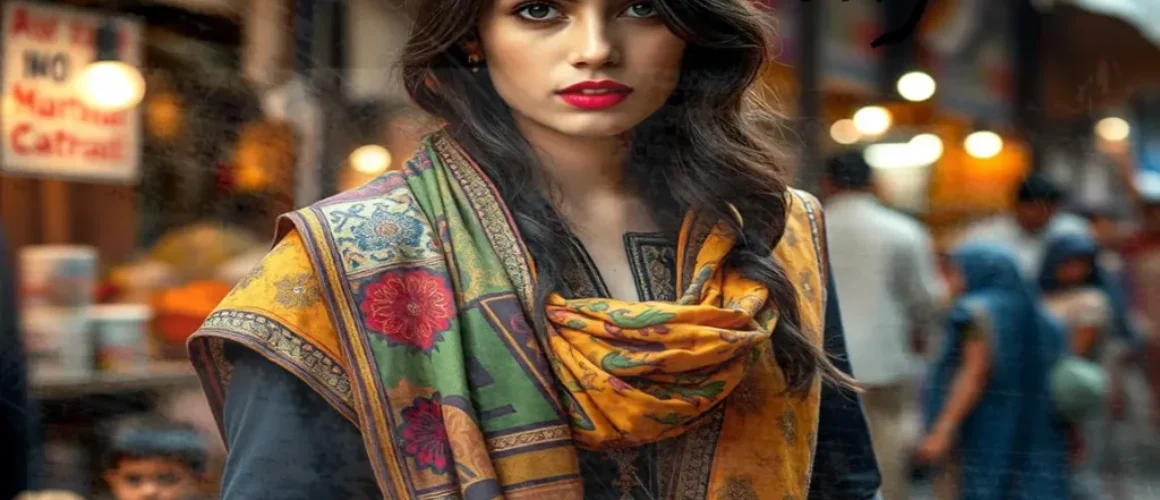
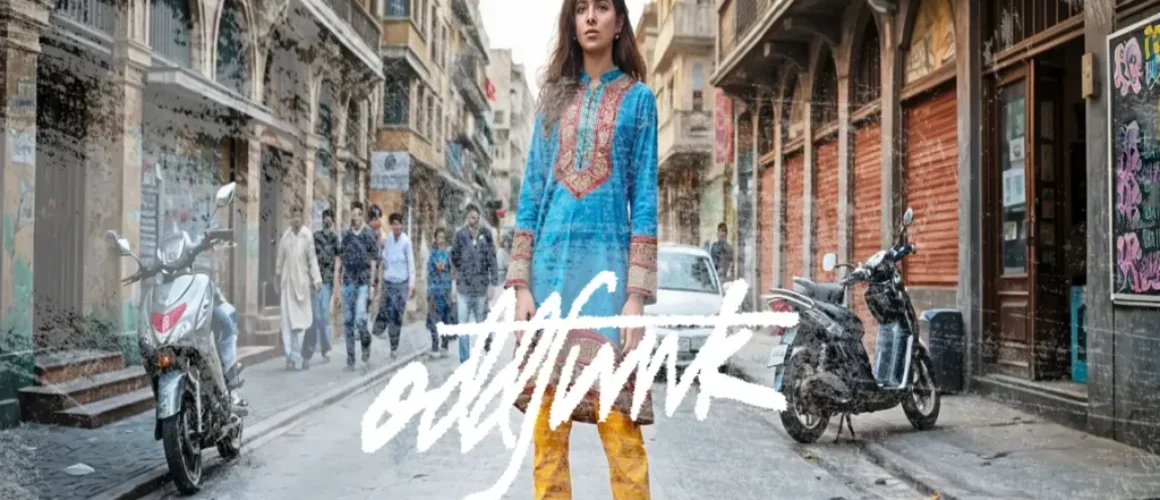
Picture a bustling market in Delhi’s Sarojini Nagar or Karachi’s Saddar—stalls overflowing with colorful fabrics, fake Ray-Bans, and embroidered caps. A teenager in a hand-stitched kurta paired with knockoff sneakers captures the DIY spirit. These markets weren’t just shopping hubs; they were cultural incubators where South Asian streetwear was born.
The 2000s: Globalization and Desi Swagger
Blending Global and Local
The 2000s marked a turning point as globalization hit South Asia hard. The internet and satellite TV connected urban youth to global trends, and brands like Puma and Fila flooded markets. But the real magic was the remix: cargo pants with bandhani tie-dye shirts, cricket jerseys under denim jackets. This “desi swagger” blended global streetwear with South Asian pride, reinterpreting traditional garments like the sherwani or lungi into modern silhouettes.
In Pakistan, private TV channels like ARY showcased music videos with rappers in oversized hoodies. In India, Bollywood’s Dhoom popularized leather jackets. Bangladesh’s garment industry made trendy clothes more accessible, fueling the streetwear boom. Oddfunk’s roots trace back to this era, as Pakistan’s youth began embracing bold, urban styles while staying grounded in cultural motifs.
Social Shifts and Youth Culture
Urbanization reshaped South Asian cities, and a growing middle class meant more cash for fashion. Young people carved out spaces for self-expression—college fests, skate parks, underground rap battles. Streetwear became their uniform, signaling individuality in modernizing societies. Women began embracing streetwear too, pairing sneakers with sarees or graphic tees with palazzos, challenging conservative norms in a quiet rebellion.
Music’s Growing Influence
Hip-hop’s global rise hit South Asia, with artists like Bohemia, the “King of Punjabi Rap,” inspiring baggy tees and snapbacks. In Pakistan, Entity Paradigm blended rock and rap, influencing a grunge-meets-street aesthetic. These artists shaped a lifestyle, and streetwear was its visual language. Oddfunk later tapped into this energy, drawing from music-driven subcultures to craft designs that resonate with urban youth.
Visual Storytelling: The Urban Jungle
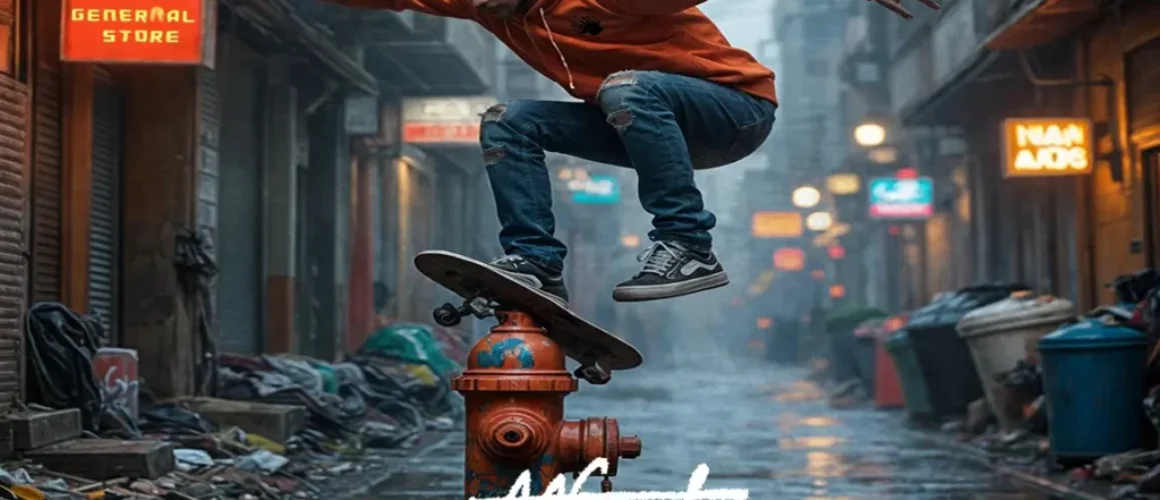
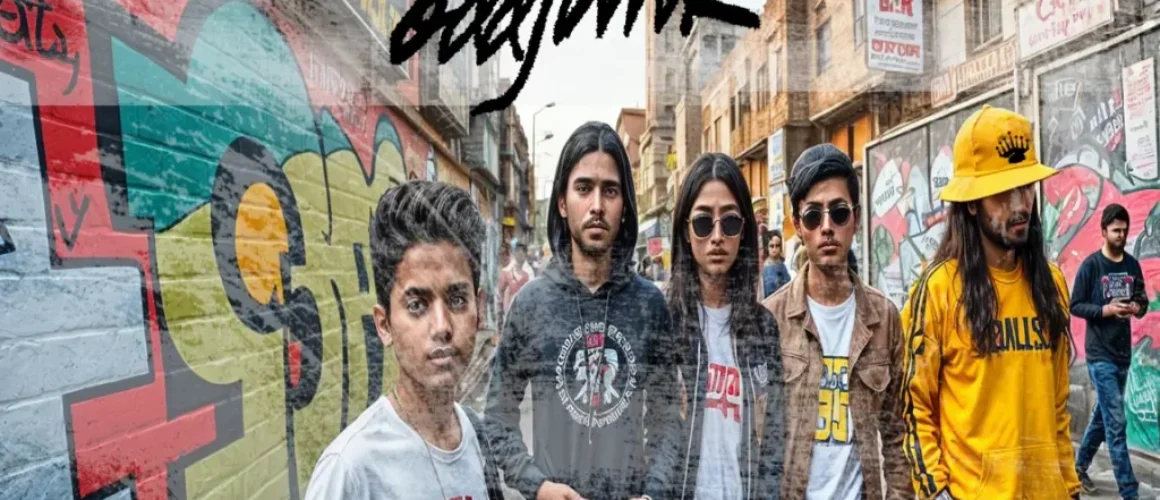
Imagine Mumbai in 2005: a skateboarder in a knockoff Supreme tee weaves through traffic, while college kids in low-rise jeans snap Nokia flip-phone selfies. The chaotic energy of rickshaws, neon signs, and chai stalls was the perfect backdrop for streetwear’s rise, blending global hype with desi roots.
The 2010s: The Golden Age of South Asian Streetwear
Homegrown Brands Take Center Stage
The 2010s saw South Asian streetwear go from DIY to defined. Homegrown brands like India’s Huemn, Pakistan’s Oddfunk, and Bangladesh’s Aarong emerged, celebrating local craftsmanship while embracing global trends. Oddfunk, in particular, carved a niche by infusing Pakistan’s ajrak prints and handwoven textiles into contemporary designs. Their collections tell stories of cultural heritage, with each piece acting as a canvas for South Asian narratives, from socio-political themes to vibrant local art.
These brands weren’t just selling clothes—they were redefining identity. Oddfunk’s design philosophy revolves around authenticity, merging traditional motifs with modern cuts to appeal to a generation craving innovation and relevance. Their work reflects the region’s history, with kurtas and sherwanis reimagined as streetwear staples, honoring the past while speaking to the present.
Social Media’s Game-Changing Role
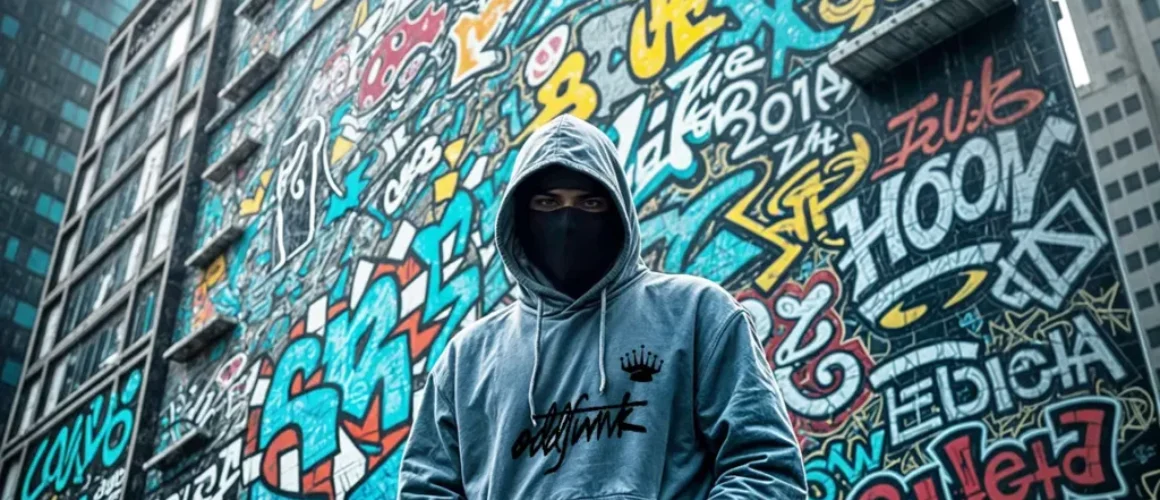
Social media, especially Instagram, was rocket fuel for streetwear’s explosion. Hashtags like #DesiStreetwear and #SouthAsianFashion trended as youth shared their fits—think a Lahore skater in an Oddfunk ajrak hoodie or a Dhaka artist in a hand-painted denim jacket. Oddfunk leveraged platforms like Instagram and TikTok to showcase their collections, connecting with global audiences and fostering a community around South Asian street culture. Influencers played a key role, curating content that blended Western and desi aesthetics, making streetwear a symbol of cultural pride.
The diaspora amplified this. South Asians in London and New York mixed streetwear with henna and dupattas, inspiring designers back home. Online platforms like Etsy made it easier for brands like Oddfunk to reach global consumers, democratizing the scene.
Music and Pop Culture Drive the Scene
The 2010s saw South Asian music go global. India’s Divine and Naezy put gully rap on the map with tracks like “Mere Gully Mein,” sparking a wave of oversized tees and gold chains. In Pakistan, Young Stunners and Talha Anjum dominated, their music videos dripping with streetwear swagger. Oddfunk collaborated with local musicians, embedding their designs in the visual language of desi rap and pop. Bollywood’s Gully Boy cemented streetwear’s cultural status, while K-pop’s rise in South Asia added pastel sneakers and layered looks to the mix.
Visual Storytelling: The Instagram Era
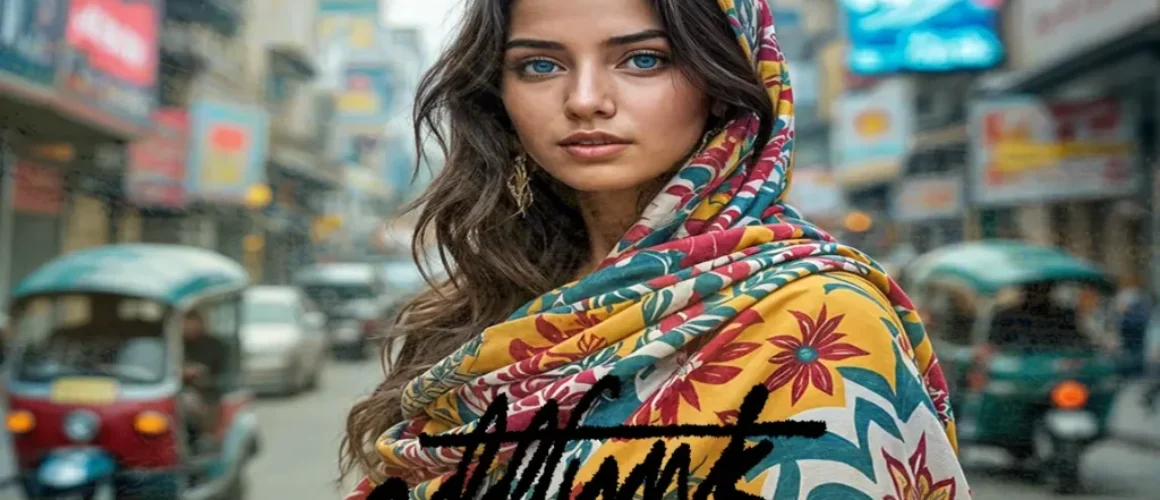
Scroll through Instagram in 2018: a Delhi influencer rocks an Oddfunk bomber jacket with a lehenga skirt, or a Karachi rapper spits bars in a handwoven hoodie. These polished yet raw visuals captured a generation’s confidence, blending heritage with hype. Streetwear became a lifestyle, documented in Stories and curated feeds.
The 2020s: Streetwear as Heritage and Innovation
Sustainability and Cultural Storytelling
The 2020s are a crossroads for South Asian streetwear. Sustainability is front and center, with brands like Oddfunk championing eco-friendly materials and ethical production. By upcycling vintage sarees and using handwoven textiles like khadi and ajrak, Oddfunk honors South Asia’s tradition of resourcefulness while appealing to Gen Z’s eco-conscious ethos. Their designs are wearable art, embedding narratives of cultural pride and social issues into every stitch.
Oddfunk’s commitment to authenticity sets them apart. Their collections draw from Pakistan’s rich heritage—think intricate embroidery and bold prints—while embracing modern silhouettes. This fusion resonates with urban youth who see streetwear as a way to celebrate their roots and challenge norms.
The Digital Revolution
The 2020s are the era of digital fashion. Brands like Oddfunk are embracing NFTs and AR filters, creating virtual streetwear that blends desi motifs with cutting-edge tech. TikTok and Snapchat have become virtual runways, where creators showcase Oddfunk’s latest drops—think a digital ajrak hoodie or a virtual try-on of a hand-painted kurta. E-commerce platforms like Depop have leveled the playing field, letting small brands from Faisalabad or Lucknow reach global audiences.
Social media fosters community too. Hashtags and groups create spaces for sharing styles and stories, enriching the streetwear experience. Oddfunk’s savvy use of these platforms has made them a beacon of South Asian street culture, connecting creators and consumers worldwide.
Social and Political Expression
Streetwear has always been a form of protest, and the 2020s amplify this. Oddfunk’s designs often address social issues like inequality and identity politics, turning hoodies into statements. Their collaborations with local artists and musicians embed socio-political narratives, making streetwear a medium for resistance. The global Black Lives Matter and feminist movements have also influenced South Asian streetwear, with Oddfunk creating gender-neutral collections that celebrate inclusivity.
Music and Global Reach
South Asian music continues to drive streetwear. Artists like AP Dhillon and Karan Aujla have taken Punjabi pop global, their videos showcasing Oddfunk’s sleek designs. In Bangladesh, rappers like Black Zang push experimental fits, while Oddfunk’s collaborations with musicians amplify their cultural impact. Partnerships with global brands like Nike further cement South Asia’s place in the streetwear world.
Visual Storytelling: The Future Is Now
Picture a 2025 pop-up in Mumbai: QR codes link to Oddfunk’s virtual try-ons, racks display upcycled kurtas with neon accents, and a DJ spins desi trap. Or a TikTok video of a Dhaka teen layering an Oddfunk khadi jacket over a graphic tee, racking up millions of views. These visuals reflect streetwear’s current state—rooted in heritage, yet fearlessly forward.
Cultural Appreciation vs. Appropriation
The line between cultural appreciation and appropriation is a hot topic in South Asian streetwear. When brands like Oddfunk engage with cultural motifs—ajrak, banarasi, or embroidery—they do so with respect, collaborating with local artisans to honor their craft. This contrasts with Western brands that sometimes borrow South Asian aesthetics without context, risking commodification. Oddfunk’s approach ensures authenticity, elevating South Asian street culture while fostering dialogue about ethical design.
Consumers play a role too. Supporting brands like Oddfunk, which prioritize cultural storytelling and ethical practices, strengthens the voices of local creators and preserves the integrity of desi streetwear.
The Future of South Asian Streetwear
South Asian streetwear is poised for global domination. Brands like Oddfunk will continue blending traditional elements—khadi, ajrak, handwoven textiles—with modern aesthetics, carving a niche in the global scene. As urban youth engage with music, art, and tech, they’ll drive new trends, from AI-designed prints to sustainable fabrics. Local artisans will play a bigger role, crafting one-of-a-kind pieces that resonate personally.
Challenges remain—market saturation and the need for ethical sourcing—but the future is bright. Fashion festivals like Lakme Fashion Week will amplify brands like Oddfunk, showcasing their role in redefining South Asian identity. As streetwear evolves, it’ll stay a platform for cultural pride, rebellion, and innovation.
Conclusion: A Legacy of Authenticity
South Asian streetwear’s evolution is a story of resilience and creativity. From the bazaars of the ‘80s to the digital runways of the 2020s, it’s blended tradition with innovation, driven by music, social shifts, and youth culture. Brands like Oddfunk are redefining the narrative, celebrating heritage while pushing boundaries with sustainable, authentic designs. Whether it’s a hijab-wearing influencer in an Oddfunk hoodie or a non-binary artist in a gender-fluid kurta, South Asian streetwear is unapologetically desi and undeniably global. It’s not just fashion—it’s a legacy in the making!